What to Eat After Teeth Whitening: The White Diet Guide
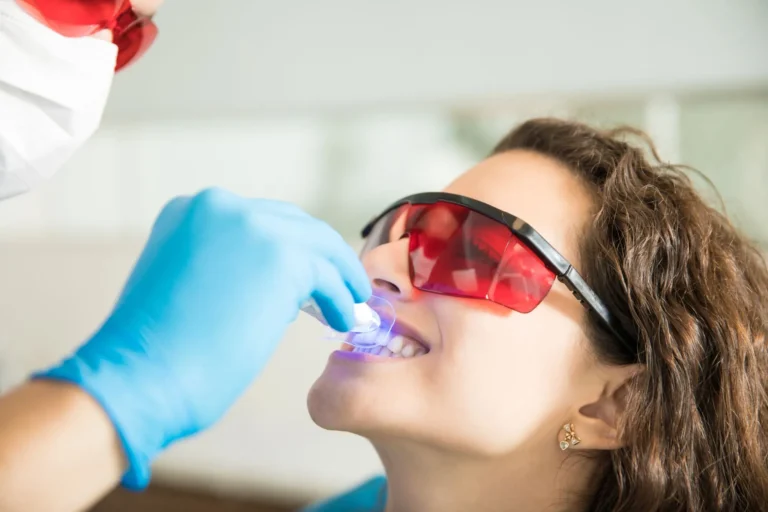
Teeth whitening is one of the most requested aesthetic dental treatments because it can help improve the appearance of a smile by reducing certain types of tooth discolouration. However, the care you provide after treatment plays an important role in maintaining the result. One of the most common questions patients ask is What to Eat After Teeth Whitening and which foods should be avoided during the first days following the procedure.
After whitening treatment, teeth can temporarily be more susceptible to absorbing pigments from foods and drinks. Following suitable dietary advice can help protect the result while allowing your smile to remain brighter for longer. At Premier Smile Dental Excellence, patients receive personalised guidance based on their oral health and the type of whitening treatment performed. In this article, we explain what the white diet is, which foods are recommended after whitening, what should be limited, and why professional advice is important for maintaining healthy teeth.
What is the white diet after teeth whitening?
The white diet is a temporary eating approach recommended after teeth whitening to reduce exposure to strongly coloured foods and drinks that may stain teeth. When considering What to Eat After Teeth Whitening, the main principle is choosing foods with lighter colours and avoiding substances that contain intense pigments during the first period after treatment.
After whitening, the surface of the teeth may be temporarily more receptive to external pigments. This does not mean that teeth are damaged, but it means that careful choices can support the stability of the whitening result. The white diet is not intended to be a permanent lifestyle change, but rather a short-term precaution.
Foods commonly included in a white diet include:
- White rice
- Pasta without coloured sauces
- Plain yoghurt
- White fish
- Chicken
- Potatoes
- Certain light-coloured vegetables
The goal is not to restrict nutrition, but to minimise contact with highly pigmented substances while the teeth are more vulnerable to staining. A balanced diet remains essential, and patients should continue maintaining good oral hygiene throughout the post-whitening period.
At Premier Smile Dental Excellence, whitening treatments are always accompanied by advice on how to care for the smile afterwards. Understanding simple habits, including dietary choices, helps patients protect their results and maintain a healthy appearance over time.
Why is diet important after teeth whitening?
Many patients focus on the whitening procedure itself but underestimate the importance of aftercare. Understanding What to Eat After Teeth Whitening is essential because certain foods and drinks can influence how long the brightness of the smile is maintained.
Some foods contain natural or artificial pigments called chromogens. These compounds can attach to the surface of teeth and contribute to staining over time. Common examples include coffee, tea, red wine, tomato-based sauces, and some highly coloured spices.
Immediately after whitening, being mindful of these foods can be particularly useful because teeth may be more sensitive and more likely to react to external factors. Choosing lighter alternatives helps reduce unnecessary exposure to staining agents.
However, diet is only one part of maintaining whitening results. Other important factors include:
- Regular brushing and interdental cleaning
- Professional dental hygiene appointments
- Limiting frequent consumption of staining drinks
- Following personalised advice from your dentist
Teeth whitening does not permanently prevent future staining. Teeth naturally interact with the foods and drinks consumed every day, which is why maintenance habits are important.
At Premier Smile Dental Excellence, the focus is not only on improving smile aesthetics but also on helping patients understand how to preserve their oral health and results through informed daily choices.
What foods can you eat after teeth whitening?
Knowing What to Eat After Teeth Whitening can make the recovery period easier and more manageable. Many patients believe that following a white diet means eating only a very limited selection of foods, but there are several suitable options that can still provide a balanced and enjoyable diet.
Recommended foods after whitening often include lighter-coloured options such as:
Protein sources:
Chicken, turkey, white fish, eggs, and tofu can usually be incorporated into meals without introducing strong pigments.
Carbohydrates:
White rice, plain pasta, bread, and potatoes are common choices during the white diet period.
Dairy products:
Plain yoghurt, milk, and certain light-coloured cheeses can be suitable options.
Fruits and vegetables:
Some lighter foods such as peeled apples, cauliflower, and certain vegetables may be appropriate depending on individual preferences.
The purpose of these choices is not to eliminate healthy foods but to reduce exposure to substances that may stain freshly whitened teeth. Patients should still aim for a nutritious diet that supports general health.
It is also important to remember that every patient is different. People with specific dietary requirements or oral health conditions may need personalised recommendations. A dentist can provide guidance based on the whitening procedure performed and the condition of the teeth.
What foods and drinks should be avoided after teeth whitening?
When learning What to Eat After Teeth Whitening, it is equally important to understand which foods and drinks may affect the appearance of the smile. Some items contain strong pigments that can contribute to staining, especially during the first period after treatment.
Foods and drinks that are commonly limited include:
- Coffee and tea
- Red wine
- Cola and dark-coloured beverages
- Tomato sauces
- Curry and strongly coloured spices
- Dark berries
- Chocolate
- Soy sauce
These products are not necessarily harmful to teeth, but their pigmentation can influence the colour of the enamel surface. Reducing consumption temporarily after whitening can help protect the aesthetic result.
Patients should also be careful with habits such as frequently sipping coloured drinks throughout the day. The longer teeth are exposed to staining substances, the greater the opportunity for pigments to interact with the tooth surface.
If avoiding certain drinks completely feels difficult, simple measures may help, such as drinking water afterwards or maintaining excellent oral hygiene. However, professional advice remains the best way to understand how to care for your individual smile.
How long should you follow the white diet after teeth whitening?
A common question after whitening treatment is how long patients should maintain dietary precautions. The answer depends on the type of whitening procedure performed and individual circumstances.
When discussing What to Eat After Teeth Whitening, it is important to understand that the white diet is generally considered a temporary recommendation rather than a permanent requirement. The dentist will provide guidance based on the treatment used and the patient’s specific needs.
During the first period after whitening, many patients choose to be particularly careful with strongly coloured foods and drinks. After this initial phase, they can gradually return to their normal diet while continuing good oral hygiene habits.
The duration of dietary care may depend on factors such as:
- The whitening method used
- Tooth sensitivity levels
- Existing enamel characteristics
- Lifestyle habits
- Frequency of consuming staining foods
Following professional instructions helps patients avoid unnecessary concerns and supports a comfortable recovery.
At Premier Smile Dental Excellence, whitening treatments are planned with attention to both immediate results and long-term smile maintenance. Patients receive guidance to help them understand how everyday habits can influence their dental aesthetics.
Can you drink coffee after teeth whitening?
Coffee is one of the most common questions patients ask after whitening because it is part of many people’s daily routine. Understanding What to Eat After Teeth Whitening also involves knowing how to manage popular drinks that may affect tooth colour.
Coffee contains pigments that can contribute to staining over time. Immediately after whitening, some patients may choose to reduce or temporarily avoid coffee consumption to protect the result of treatment.
If returning to coffee is important, patients can discuss suitable habits with their dentist. Helpful measures may include:
- Drinking water after coffee
- Avoiding prolonged sipping throughout the day
- Maintaining careful brushing routines
- Attending regular hygiene appointments
However, these measures do not replace professional advice. The most appropriate recommendations depend on the individual patient and the condition of their teeth.
At Premier Smile Dental Excellence, the aim of teeth whitening is to create a brighter smile while ensuring patients understand how to maintain their results naturally through informed choices and consistent care.
How can you maintain teeth whitening results over time?
Knowing What to Eat After Teeth Whitening is only the beginning of maintaining a brighter smile. Long-term results depend on a combination of professional care, daily habits, and attention to oral health.
Some important steps include:
- Brushing teeth regularly with appropriate techniques
- Cleaning between teeth daily
- Attending dental hygiene appointments
- Limiting frequent exposure to staining substances
- Following personalised recommendations
Teeth whitening does not change the natural structure of teeth, meaning they continue to respond to lifestyle habits after treatment. Regular consumption of strongly coloured foods and drinks can gradually influence tooth colour again.
Professional dental hygiene visits are also valuable because they help remove plaque and surface stains that cannot always be eliminated with home care alone. These appointments support both aesthetics and overall oral health.
At Premier Smile Dental Excellence, patients are encouraged to view whitening as part of a broader approach to smile care. Protecting teeth, maintaining healthy gums, and following appropriate advice all contribute to a confident and balanced smile.
Why professional guidance matters after teeth whitening
Although teeth whitening is a common aesthetic treatment, professional guidance remains essential for achieving safe and predictable results. Searching online for What to Eat After Teeth Whitening can provide general information, but only a dentist can consider your specific oral health situation.
Before recommending whitening, a dental professional evaluates factors such as:
- Existing restorations
- Tooth sensitivity
- Gum health
- Enamel condition
- Presence of cavities or other concerns
After treatment, personalised advice helps patients understand how to protect their smile and avoid unnecessary complications. Whitening products or advice found online may not always be suitable for every person and can sometimes create problems when used without professional assessment.
At Premier Smile Dental Excellence, every aesthetic treatment begins with understanding the patient’s needs and ensuring that cosmetic goals are achieved while protecting dental health.
Conclusion: What to Eat After Teeth Whitening for a brighter smile
Understanding What to Eat After Teeth Whitening helps patients protect their results and make informed choices during the period following treatment. The white diet can support whitening outcomes by reducing exposure to highly pigmented foods and drinks, but maintaining a bright smile also depends on good oral hygiene and regular professional care.
At Premier Smile Dental Excellence, teeth whitening is approached with attention to both aesthetics and oral health. Every patient receives guidance tailored to their individual situation, helping them understand how to maintain their smile after treatment.
If you are considering teeth whitening or would like to learn more about the best approach for your smile, contact the practice and book an appointment to discuss your options with a dental professional.
📍 Visit us at: 34, Hockliffe Street, Leighton Buzzard, Bedfordshire, LU7 1HJ
📞 Phone: 01525 372 089
📩 Email: enquiries@premiersmile.co.uk
🌐 Contact: Click here!