Gingivitis and Pyorrhoea: Difference Between Gingivitis and Periodontitis
Introduction:
Gingivitis and pyorrhoea are both common dental issues that affect the gums, but they differ significantly in their severity and the long-term impact on oral health. Gingivitis and pyorrhoea are often used interchangeably, but understanding their distinctions is crucial for maintaining good dental hygiene. Gingivitis refers to the early stage of gum disease, which is typically reversible with proper care. On the other hand, pyorrhoea (or periodontitis) is a more advanced stage of gum disease that can cause irreversible damage if left untreated. This article will delve into the key differences between gingivitis and pyorrhoea and how to manage and treat these conditions.
What is Gingivitis?
Gingivitis is the earliest form of gum disease, characterized by inflammation of the gums caused by the buildup of plaque. At this stage, the gum tissues are irritated and swollen, but the damage is generally not irreversible. If caught early, gingivitis can usually be treated with improved oral hygiene habits such as brushing and flossing more effectively. The most common signs of gingivitis include red, swollen gums, and occasional bleeding, especially when brushing or flossing. At this stage, the damage is still limited to the gums and has not yet affected the underlying bone or connective tissue.
If left untreated, gingivitis can progress into a more severe form of gum disease. The condition may become more painful and uncomfortable, leading to more severe symptoms such as bad breath or gum recession. However, the good news is that gingivitis is entirely reversible with proper dental care and professional cleanings. Regular visits to your dentist will help ensure that gingivitis does not progress to more severe forms of gum disease, safeguarding your oral health.
What is Pyorrhoea (Periodontitis)?
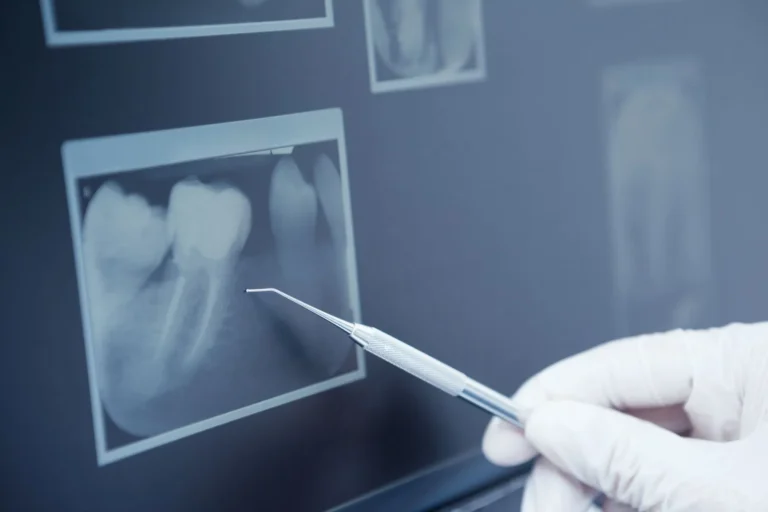
Pyorrhoea, also known as periodontitis, is an advanced stage of gum disease that occurs when gingivitis is left untreated. At this stage, the infection has spread deeper into the supporting structures of the teeth, including the bone and connective tissue. Pyorrhoea can lead to tooth mobility, gum recession, and eventual tooth loss if not addressed promptly. The symptoms are more severe compared to gingivitis and include puss formation, deeper gum pockets, and significant pain during chewing or brushing.
Unlike gingivitis, pyorrhoea is often irreversible. The bone and connective tissue damage caused by periodontitis can’t be fully restored, but proper treatment can help halt the progression and preserve the remaining teeth. Treatments often include deep cleaning procedures, scaling, and root planing, along with antibiotics to control the infection. In more severe cases, surgery may be required to remove the infection or repair damage.
Key Differences Between Gingivitis and Pyorrhoea
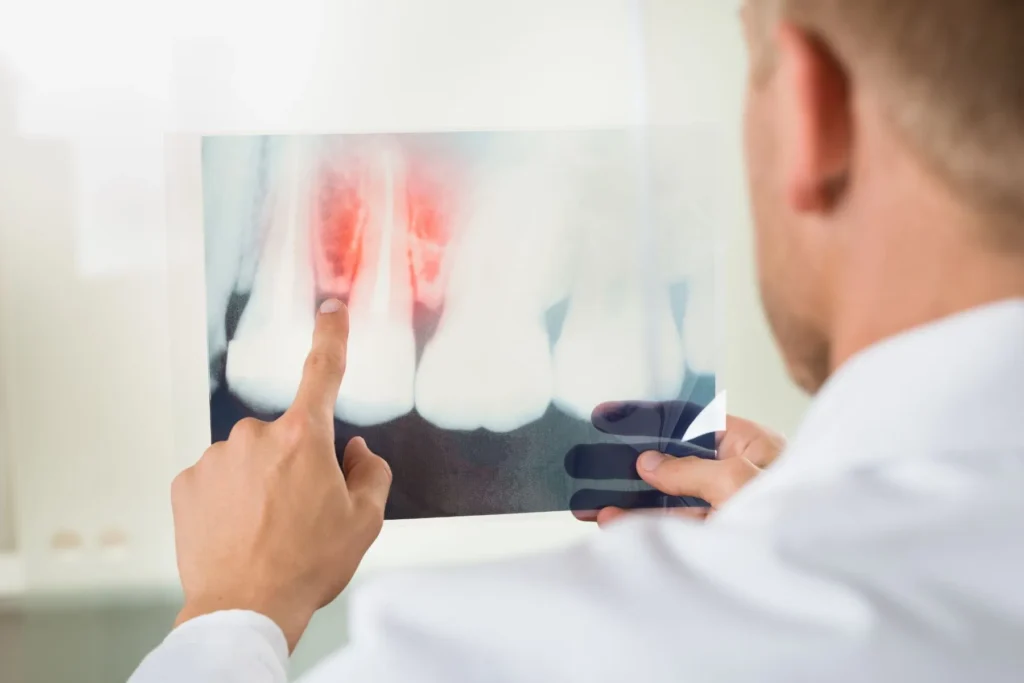
The primary difference between gingivitis and pyorrhoea lies in the severity and the impact on the supporting structures of the teeth. Gingivitis is limited to the gums and can usually be reversed with proper care. On the other hand, pyorrhoea affects the bone and connective tissue surrounding the teeth, leading to irreversible damage if not treated early. Gingivitis causes redness, swelling, and bleeding, while pyorrhoea can cause deeper gum pockets, tooth mobility, and pus formation. Understanding these key differences helps in identifying the stage of gum disease, allowing for better-targeted treatments.
Treatment approaches also vary between the two conditions. Gingivitis can usually be treated with simple adjustments to oral hygiene, while periodontitis requires more intensive dental interventions like scaling, root planing, and possibly surgery. Identifying which condition you have will allow your dentist to recommend the most appropriate treatment plan to prevent further complications and protect your oral health.
Causes of Gingivitis and Pyorrhoea
Both gingivitis and pyorrhoea are primarily caused by poor oral hygiene, which leads to plaque buildup on the teeth and gums. Plaque is a sticky film of bacteria that forms on the teeth and gums. In gingivitis, the bacteria cause mild inflammation and irritation. If plaque is not removed through regular brushing and flossing, it can harden into tartar, which is much more difficult to remove. The presence of tartar promotes further bacterial growth and increases the risk of developing pyorrhoea (periodontitis).
Other factors that contribute to gingivitis and pyorrhoea include smoking, poor nutrition, hormonal changes, certain medications, and underlying health conditions like diabetes. Genetics can also play a role, as some individuals may be more prone to gum disease than others. Practicing good oral hygiene, eating a healthy diet, and visiting your dentist regularly can help prevent both conditions.
Symptoms of Gingivitis and Pyorrhoea
The symptoms of gingivitis and pyorrhoea vary in intensity. Gingivitis typically causes red, swollen gums that may bleed when brushing or flossing. You might also notice bad breath and some discomfort around the gums. If left untreated, gingivitis can progress to pyorrhoea, where the symptoms become much more severe. Pyorrhoea is characterized by gums pulling away from the teeth, deep pockets between the teeth and gums, pus discharge, and tooth mobility. Painful chewing, persistent bad breath, and a noticeable change in the appearance of your gums or teeth are also common signs of pyorrhoea.
The key to avoiding the progression from gingivitis to pyorrhoea is early detection and treatment. Regular dental check-ups can help identify gingivitis in its early stages before it turns into a more serious condition. If you notice any of these symptoms, it’s essential to seek professional dental care to prevent further damage to your gums and teeth.
Treatment for Gingivitis and Pyorrhoea
The treatment for gingivitis and pyorrhoea differs significantly. Gingivitis can usually be reversed with better oral hygiene practices, including regular brushing, flossing, and professional cleanings. During a dental visit, the dentist may also provide guidance on how to improve your daily oral care routine. In some cases, a professional cleaning may be required to remove tartar buildup that cannot be removed by brushing alone.
Pyorrhoea, on the other hand, requires more intensive treatment. A dentist may perform scaling and root planing to clean below the gumline and remove tartar and bacteria from deep pockets. If the infection is severe, antibiotics or even surgical procedures may be needed to restore the health of the gums and teeth. Treatment is aimed at controlling the infection, preventing tooth loss, and maintaining as much tooth structure as possible.
Preventing Gingivitis and Pyorrhoea
The best way to prevent gingivitis and pyorrhoea is to maintain a consistent and thorough oral hygiene routine. Brush your teeth at least twice a day with fluoride toothpaste, floss daily, and use mouthwash to help eliminate bacteria. Regular dental check-ups and professional cleanings are crucial for preventing plaque buildup and detecting early signs of gum disease. Avoiding smoking and managing conditions such as diabetes can also help reduce your risk of developing gum disease.
A healthy diet that includes plenty of fruits and vegetables can also promote healthy gums. Avoid sugary foods and beverages that contribute to plaque buildup. By taking proactive steps to care for your gums and teeth, you can significantly reduce your chances of developing gingivitis or periodontitis, ensuring lifelong oral health.
Conclusion: What are Gingivitis and Pyorrhoea?
Understanding the difference between gingivitis and pyorrhoea is key to managing your oral health effectively. Gingivitis is a mild and reversible form of gum disease, while pyorrhoea is a more severe condition that can cause permanent damage to your gums and teeth. By practicing good oral hygiene, scheduling regular dental check-ups, and addressing any symptoms early, you can keep your gums healthy and prevent more serious complications. For personalized advice and treatment options, contact your dentist and discuss how to protect your smile from gum disease.
At Premier Smile Dental Excellence, we are passionate about empowering our patients with the knowledge, tools, and support they need to maintain excellent oral health.
Whether you need help, our team is here to guide you every step of the way.
📍 Visit us at: 34, Hockliffe Street, Leighton Buzzard, Bedfordshire, LU7 1HJ
📞 Phone: 01525 372 089
📩 Email: enquiries@premiersmile.co.uk
🌐 Contact: Click here!