What Are Dental Bridges? Types, Benefits, and Alternatives
Missing teeth can affect more than just the appearance of your smile. They can influence chewing ability, speech, confidence, and the balance of your bite. When a tooth is lost, the surrounding teeth may gradually move into the available space, creating changes that can affect long-term oral health.
Many patients ask What Are Dental Bridges and whether they could be a suitable option for replacing missing teeth. Dental bridges are restorative solutions designed to fill gaps created by missing teeth by using artificial teeth supported by neighbouring structures.
At Premier Smile Dental Excellence, every tooth replacement option begins with a careful assessment of the patient’s oral health, expectations, and individual circumstances. The most appropriate solution depends on factors such as the number of missing teeth, the condition of surrounding teeth, gum health, and overall function.
In this article, we explain what dental bridges are, the different types available, their benefits, possible alternatives, and why professional planning is essential when restoring a complete and functional smile.
What are dental bridges and how do they work?
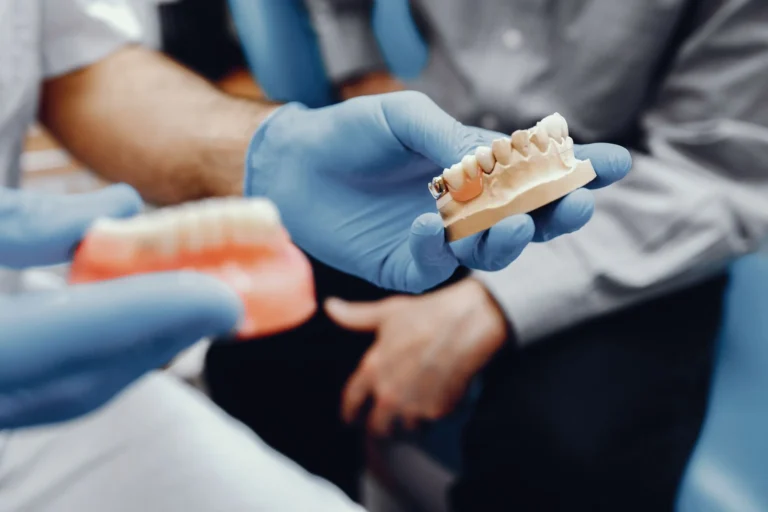
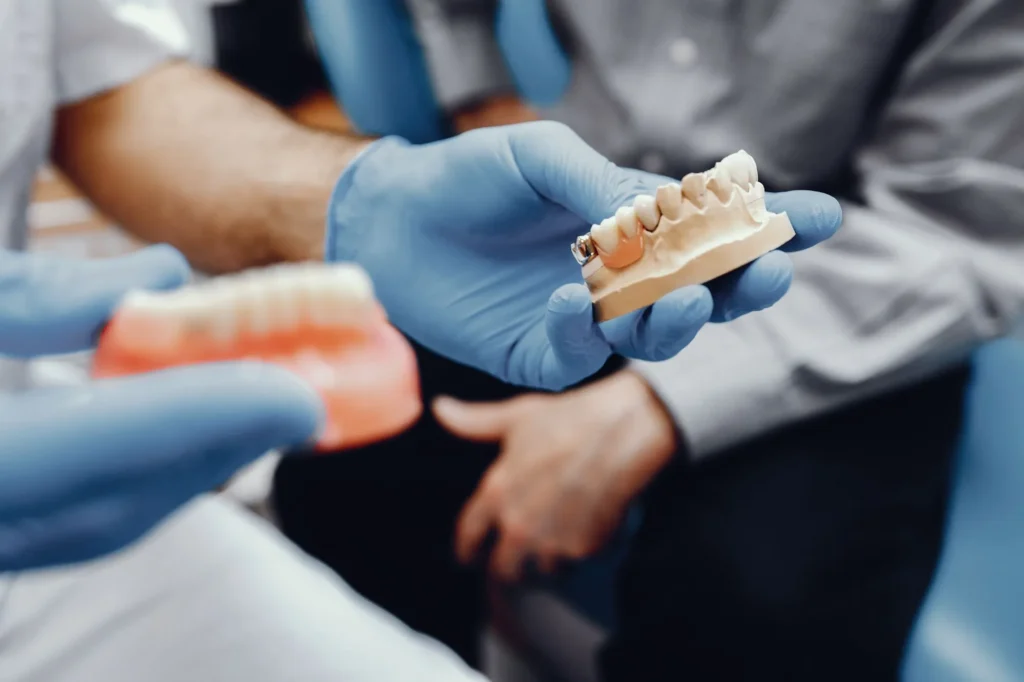
Understanding What Are Dental Bridges starts with knowing their purpose. A dental bridge is a fixed restoration designed to replace one or more missing teeth by creating a connection between existing teeth or dental implants.
Unlike removable dentures, a bridge is attached in place and does not need to be taken out by the patient. It is designed to restore the appearance of the smile while also improving chewing function and maintaining the natural position of surrounding teeth.
A traditional dental bridge usually consists of:
- One or more artificial teeth to replace the missing tooth or teeth
- Supporting crowns placed on neighbouring teeth
- A structure designed to distribute chewing forces
When a tooth is lost, the surrounding teeth may begin to shift because the natural support provided by the missing tooth is no longer present. This movement can affect the bite and make cleaning between teeth more difficult.
A dental bridge helps fill the space and restore continuity within the dental arch. However, not every patient is automatically suitable for this treatment. The condition of supporting teeth, gum health, and bite forces must all be evaluated before deciding whether a bridge is appropriate.
At Premier Smile Dental Excellence, treatment planning focuses on restoring both function and aesthetics while protecting the health of the remaining teeth.
Why might someone need a dental bridge?
Patients searching What Are Dental Bridges are often considering their options after losing a tooth. Tooth loss can occur for several reasons, including decay, gum disease, trauma, or damage that makes a tooth impossible to restore.
Replacing a missing tooth is important because a gap can affect several aspects of oral health. Without replacement, patients may experience:
- Difficulty chewing certain foods
- Changes in speech
- Movement of neighbouring teeth
- Altered bite balance
- Increased difficulty maintaining oral hygiene
A dental bridge can help restore the missing area and provide a more stable chewing surface. It can also support the appearance of the smile by replacing visible gaps.
However, the decision to replace a tooth should always be based on professional evaluation. The dentist needs to understand why the tooth was lost and whether any underlying issues, such as gum disease or infection, need to be addressed first.
At Premier Smile Dental Excellence, the focus is not only on replacing the missing tooth but also on creating a healthy foundation for long-term success. Restorative dentistry works best when it considers the entire oral environment rather than only the visible gap.
What types of dental bridges are available?
When patients ask What Are Dental Bridges, it is important to understand that there are different types of bridges. The most suitable option depends on the location of the missing tooth, the condition of surrounding teeth, and the patient’s specific needs.
The main types include:
Traditional dental bridges
These are the most common type and use neighbouring teeth as support. The adjacent teeth are prepared to hold crowns that support the replacement tooth.
Implant-supported bridges
Instead of relying on natural teeth, these bridges are supported by dental implants placed into the jawbone. They can be useful when several teeth are missing or when preserving neighbouring teeth is a priority.
Cantilever bridges
These use support from only one side of the missing tooth area. They are less commonly used and require careful assessment because of the forces placed on the supporting tooth.
Maryland bridges
These use a framework attached to the back surfaces of neighbouring teeth. They are often considered for certain situations where minimal alteration is preferred.
Each option has different considerations. A dentist evaluates factors such as tooth position, bite pressure, aesthetics, and long-term stability before recommending the most appropriate approach.
How is a dental bridge fitted?
Understanding What Are Dental Bridges also involves knowing what happens during the treatment process. The procedure is carefully planned to ensure the bridge fits comfortably and functions correctly.
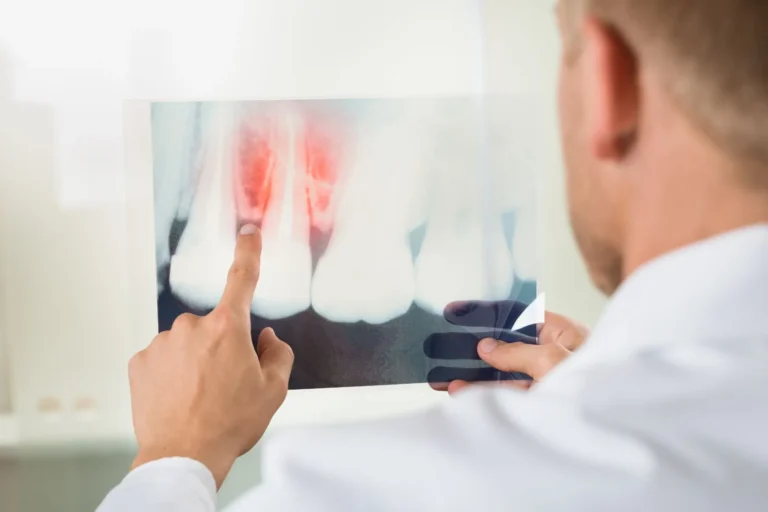
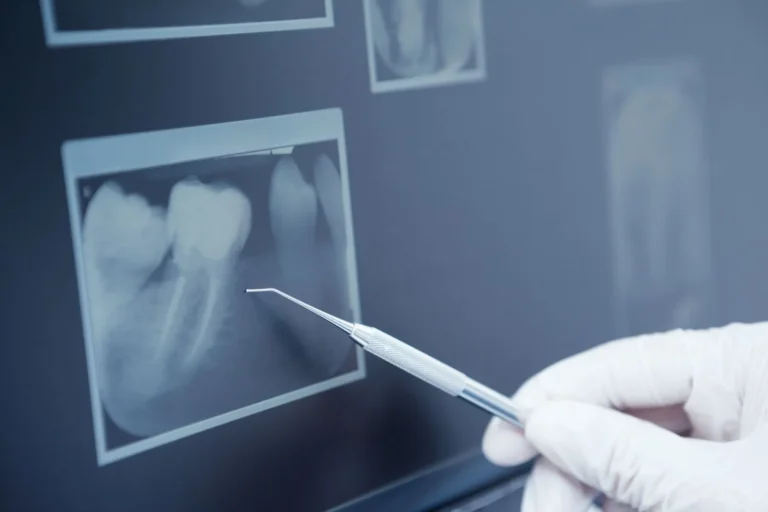
The process usually begins with a consultation and examination. The dentist assesses the missing area, surrounding teeth, gums, and bite. Diagnostic imaging may be used when necessary to understand the underlying structures.
The treatment may involve:
- Preparation of supporting teeth if required
- Taking impressions or digital scans
- Creating a customised restoration
- Fitting and adjusting the bridge
- Checking comfort, appearance, and function
The dentist ensures that the bridge fits naturally within the existing bite. Proper alignment is important because uneven pressure can affect comfort and the longevity of the restoration.
Patients are also given guidance on caring for the bridge after placement. Good oral hygiene remains essential because the health of the surrounding gums and supporting structures influences long-term results.
At Premier Smile Dental Excellence, each restoration is planned carefully to achieve a balance between appearance, function, and patient comfort.
What are the benefits of dental bridges?
When considering What Are Dental Bridges, many patients want to understand the advantages of this type of restoration. Dental bridges can provide both functional and aesthetic benefits when they are appropriately planned.
Some key benefits include:
Restoring chewing function
Replacing a missing tooth helps patients chew more comfortably and maintain a more balanced bite.
Improving smile appearance
A bridge can fill visible gaps and create a more complete-looking smile.
Supporting dental alignment
Replacing missing teeth helps reduce the risk of neighbouring teeth shifting into the empty space.
Providing a fixed solution
Unlike removable options, bridges remain in place and function as part of the dental arch.
However, benefits depend on individual circumstances. A bridge is not automatically the right choice for every patient. Factors such as bone health, supporting teeth, and oral hygiene must be considered.
A dentist can explain whether a bridge aligns with the patient’s needs and discuss other possible solutions where appropriate.
How long can dental bridges last?
A common question following What Are Dental Bridges is how long they can be expected to function. The lifespan of a dental bridge depends on several factors, including the quality of the restoration, oral hygiene, bite forces, and regular dental maintenance.
Factors that support long-term success include:
- Maintaining healthy gums
- Brushing and cleaning carefully around the bridge
- Attending regular dental check-ups
- Addressing teeth grinding or clenching when necessary
A bridge is designed to withstand normal chewing forces, but it is still important to protect the supporting teeth and surrounding tissues.
Lifestyle habits can also influence longevity. Frequent exposure to damaging forces, poor hygiene, or untreated dental problems may affect the stability of the restoration over time.
Regular professional reviews allow the dentist to monitor the bridge and identify any concerns early. Preventive care plays an important role in maintaining both the restoration and the overall health of the mouth.
What are the alternatives to dental bridges?
When researching What Are Dental Bridges, many patients also want to understand alternative options for replacing missing teeth. The best solution depends on individual needs, oral health conditions, and long-term goals.
Common alternatives include:
Dental implants
Implants replace the missing tooth root with a titanium fixture placed in the jawbone. They can support individual crowns or larger restorations and help preserve bone structure.
Removable dentures
Dentures can replace multiple missing teeth and can be removed for cleaning. They may be suitable in certain situations depending on patient requirements.
Leaving a gap untreated
In some cases, patients may choose not to replace a missing tooth immediately. However, this decision should always be discussed with a dentist because missing teeth can affect oral balance over time.
Each option has different advantages and considerations. A professional assessment allows patients to understand the most suitable choices based on their specific situation.
At Premier Smile Dental Excellence, restorative treatment planning focuses on finding solutions that support both current needs and future oral health.
Can dental bridges improve confidence after tooth loss?
Tooth loss can have an emotional impact as well as a physical one. Many patients researching What Are Dental Bridges are looking for a way to feel more comfortable when smiling, speaking, or interacting socially.
A dental bridge can help restore the appearance of a complete smile by filling visible spaces and creating a more natural-looking dental structure. For many patients, this improvement can positively influence confidence and comfort in everyday situations.
However, successful restorative dentistry involves more than aesthetics. The replacement tooth must also function properly, fit comfortably, and support healthy oral habits.
A dentist considers:
- Smile appearance
- Facial proportions
- Bite function
- Tooth colour and shape
- Long-term maintenance
At Premier Smile Dental Excellence, restorative treatments are designed around each patient’s individual needs. The goal is to create a result that feels natural, comfortable, and compatible with overall oral health.
Why professional assessment is important before choosing a dental bridge
Understanding What Are Dental Bridges provides useful information, but deciding whether a bridge is suitable requires professional evaluation. Every patient’s mouth is different, and factors that are not visible without examination can influence treatment decisions.
A dentist assesses:
- The condition of supporting teeth
- Gum health
- Bone structure
- Bite forces
- Overall oral stability
Choosing a restoration without considering these factors may lead to problems in the future. Professional planning helps ensure that treatment supports the entire dental system rather than only replacing the missing tooth.
At Premier Smile Dental Excellence, every restorative treatment begins with diagnosis, discussion, and personalised planning. Patients are guided through their options so they can make informed decisions about their oral health.
Conclusion: What Are Dental Bridges and are they the right choice?
Understanding What Are Dental Bridges helps patients explore one of the possible solutions for replacing missing teeth. Bridges can restore appearance, chewing function, and dental balance when they are carefully planned and maintained.
The right treatment depends on many individual factors, including oral health, the number of missing teeth, and the condition of surrounding structures. A professional evaluation is essential to determine whether a dental bridge or another restorative option may be more appropriate.
At Premier Smile Dental Excellence, every treatment plan is created with attention to comfort, function, and long-term oral health. If you are considering options for replacing missing teeth, contact the practice and book an appointment to discuss your situation with a dental professional.
📍 Visit us at: 34, Hockliffe Street, Leighton Buzzard, Bedfordshire, LU7 1HJ
📞 Phone: 01525 372 089
📩 Email: enquiries@premiersmile.co.uk
🌐 Contact: Click here!