How to Fix a Chipped Tooth: Repair Options and What to Expect
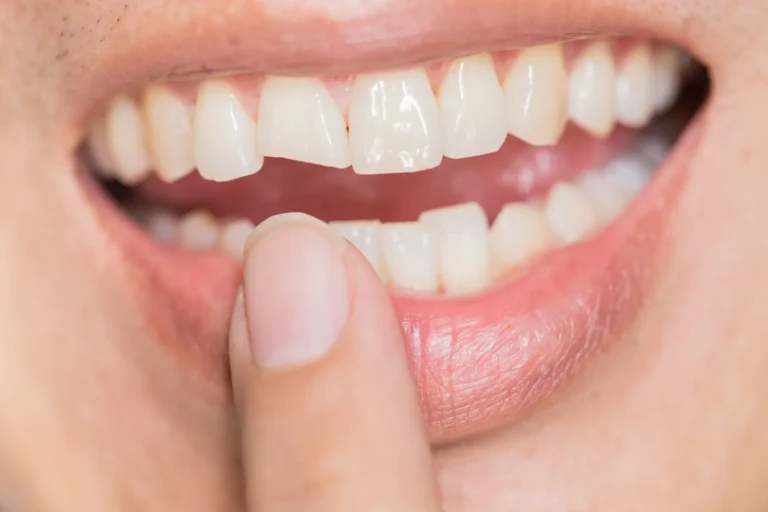
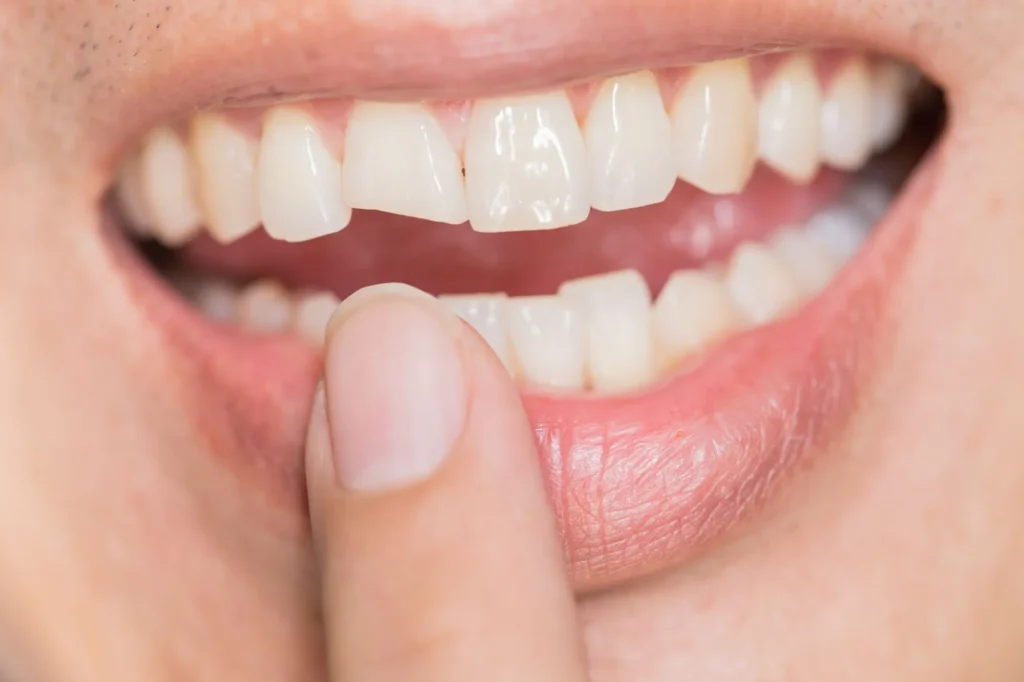
A chipped tooth is a common dental concern that can happen for different reasons, from accidental trauma to everyday wear or weakened tooth structure. Although a small chip may seem like only an aesthetic issue, it is important to understand that even minor damage can affect the strength, sensitivity, and long-term health of the tooth.
Knowing How to Fix a Chipped Tooth helps patients understand which solutions may be available and why professional evaluation is always recommended. The most suitable treatment depends on factors such as the size and position of the chip, the condition of the remaining tooth structure, and whether the damage affects function or comfort.
At Premier Smile Dental Excellence, chipped teeth are assessed carefully to determine the most appropriate approach for each patient. The goal is not only to improve appearance but also to restore the tooth’s function and protect it from further damage. In this article, we explain the causes of chipped teeth, available repair options, and what patients can expect during treatment.
What causes a tooth to become chipped?
Before understanding How to Fix a Chipped Tooth, it is useful to know why teeth can become damaged in the first place. Teeth are strong structures designed to withstand daily chewing forces, but they can still be affected by trauma, pressure, and changes that occur over time.
Common causes of chipped teeth include:
- Accidental impacts or injuries
- Biting hard foods or objects
- Tooth decay weakening the enamel
- Teeth grinding or clenching
- Natural wear over many years
- Large existing fillings affecting tooth strength
A chip can occur on any tooth, although front teeth are often more noticeable because they are directly involved in appearance and speech. Back teeth may also chip due to the stronger forces involved in chewing.
Sometimes a tooth may appear healthy externally but have underlying weaknesses, such as cracks or areas where enamel has become compromised. This is why a dental assessment is important after a chip occurs.
Trying to repair a chipped tooth at home using temporary solutions or household materials is not recommended. These methods cannot restore the strength of the tooth and may introduce further risks. A dentist can evaluate the damage properly and recommend a safe approach based on the individual situation.
Is a chipped tooth always an emergency?
A common question patients ask is whether a chipped tooth requires immediate attention. The answer depends on the extent of the damage and whether other symptoms are present. Understanding How to Fix a Chipped Tooth also means knowing when professional advice should be sought.
A small chip that does not cause discomfort may not require urgent treatment, but it should still be assessed by a dentist. Even minor damage can create rough edges, areas that collect plaque, or points of weakness that may worsen over time.
A chipped tooth should be evaluated promptly if you experience:
- Significant pain
- Sensitivity to hot or cold
- Sharp edges affecting the tongue or cheeks
- Difficulty biting or chewing
- Visible cracks extending through the tooth
- Swelling around the tooth or gums
A dental professional can determine whether the chip is limited to the enamel or whether deeper layers of the tooth are affected.
Ignoring a damaged tooth because it does not hurt can sometimes allow a small problem to become more complex. Early assessment helps protect the tooth and allows treatment to be planned before additional damage occurs.
How can a dentist fix a chipped tooth?
The best solution when considering How to Fix a Chipped Tooth depends on the type and severity of the damage. There is no single treatment suitable for every patient because every chipped tooth has different characteristics.
During an assessment, the dentist will examine:
- The size and location of the chip
- The health of the surrounding tooth structure
- The patient’s bite and chewing forces
- Any signs of decay or cracks
- The aesthetic expectations of the patient
For minor chips, conservative treatments may be sufficient. These aim to restore the appearance and shape of the tooth while preserving as much natural structure as possible.
For larger areas of damage, a more comprehensive restoration may be recommended. The dentist considers both appearance and function, ensuring that the repaired tooth can withstand normal daily forces.
At Premier Smile Dental Excellence, treatment planning focuses on achieving a balance between aesthetics, durability, and oral health. The objective is not simply to cover the chip, but to restore the tooth in a way that supports long-term stability.
Can composite bonding repair a chipped tooth?
Composite bonding is one of the most common options considered when discussing How to Fix a Chipped Tooth, especially when the damage is small or moderate. This treatment uses a tooth-coloured composite material that is carefully applied and shaped directly onto the tooth.
During composite bonding, the dentist:
- Prepares the tooth surface
- Applies the composite material
- Shapes it to recreate the natural contour
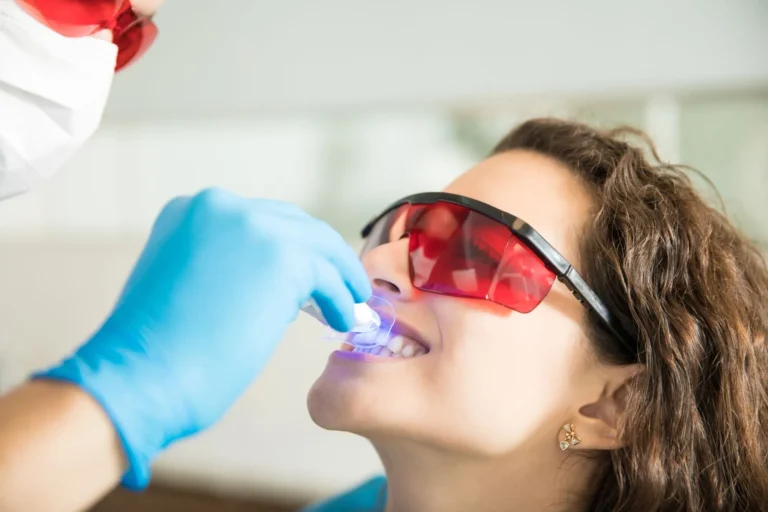
- Hardens the material
- Polishes the restoration for a smooth finish
One of the main advantages of composite bonding is that it is a conservative approach. It often allows the dentist to improve the appearance of the tooth while preserving the existing structure.
Composite bonding can be suitable for:
- Small chips
- Minor shape corrections
- Slight unevenness
- Small aesthetic imperfections
However, its suitability depends on the individual case. Teeth exposed to strong biting forces or larger areas of damage may require alternative restorative options.
Professional assessment is essential because a dentist needs to consider how the tooth functions, not only how it looks. A restoration must be able to withstand everyday use while maintaining a natural appearance.
Can veneers repair a chipped tooth?
Dental veneers may be considered when a chipped tooth requires a more extensive aesthetic improvement. Understanding How to Fix a Chipped Tooth includes recognising that some cases involve more than repairing a small area.
A veneer is a thin restoration designed to improve the appearance of the front surface of a tooth. It can help address concerns such as:
- Larger visible chips
- Changes in tooth shape
- Wear affecting the appearance of teeth
- Multiple aesthetic concerns affecting the smile
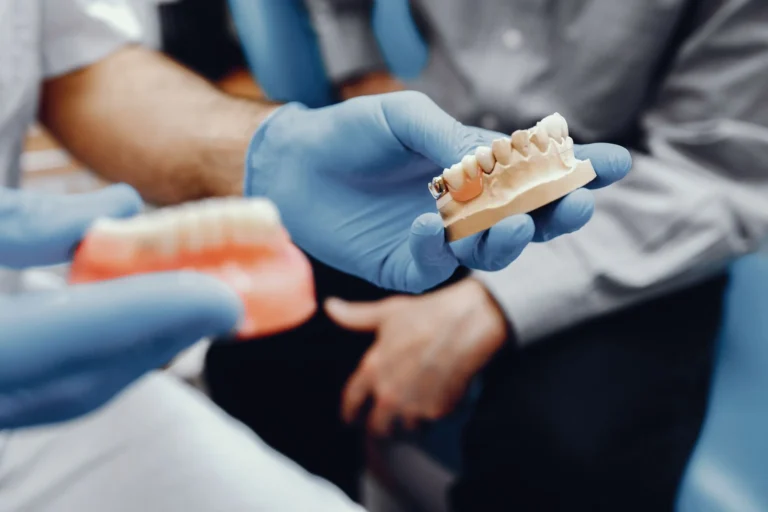
Before recommending veneers, the dentist evaluates the health and strength of the tooth. The surrounding gums, bite, and overall oral condition are important factors in determining whether this option is appropriate.
Veneers are not suitable for every chipped tooth. In some cases, a simpler restoration may be enough. In others, a more comprehensive approach may be required to achieve a stable and natural-looking result.
At Premier Smile Dental Excellence, every cosmetic restoration is planned individually. The aim is to create harmony between the treated tooth and the rest of the smile while respecting healthy dental structures.
What happens during a chipped tooth repair appointment?
Many patients feel more comfortable when they understand what to expect during treatment. Knowing How to Fix a Chipped Tooth involves understanding the typical steps involved in professional care.
The appointment usually begins with a detailed examination. The dentist will assess the damaged tooth, discuss symptoms, and understand the circumstances that caused the chip.
Depending on the situation, the process may include:
- Clinical examination of the tooth
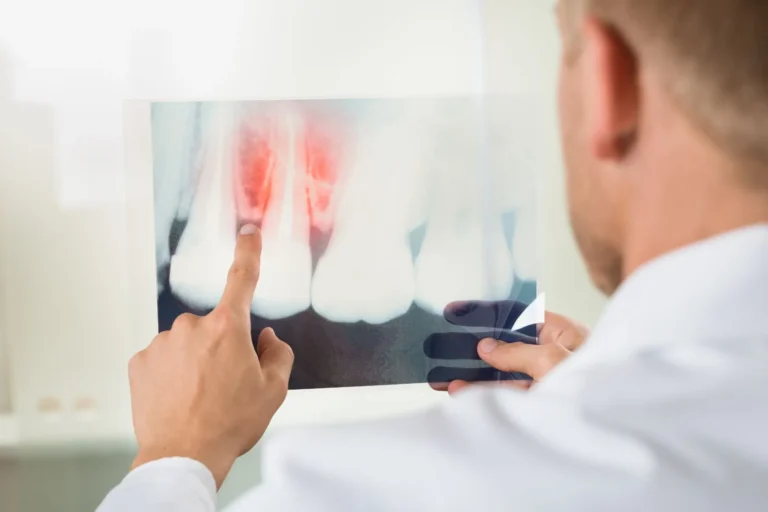
- Diagnostic imaging if needed
- Discussion of available treatment options
- Planning of the most appropriate restoration
For a simple repair, treatment may be completed relatively quickly. More complex cases may require additional planning to ensure the final result is functional and stable.
Throughout the process, communication is essential. Patients should understand why a particular treatment is recommended and what the expected outcome may be.
At Premier Smile Dental Excellence, time is dedicated to explaining each stage clearly. A calm and informed approach helps patients feel confident about their dental care.
How can you prevent a tooth from chipping again?
After learning How to Fix a Chipped Tooth, many patients want to know how they can prevent future damage. Although not every chip can be avoided, several habits can help protect teeth.
Preventive measures include:
- Avoiding chewing hard objects
- Wearing appropriate protection during contact sports
- Maintaining regular dental check-ups
- Treating teeth grinding if present
- Maintaining good oral hygiene
Bruxism, or unconscious teeth grinding and clenching, can place excessive pressure on teeth and increase the risk of chips and cracks. In these cases, a dentist may recommend appropriate solutions to protect the teeth.
Regular dental visits also allow early detection of weakened areas before they lead to fractures. Small issues can often be managed more easily when identified early.
Protecting teeth is not only about preventing aesthetic problems. Maintaining strong teeth supports comfortable chewing, healthy function, and long-term oral wellbeing.
Why should you avoid DIY methods for repairing a chipped tooth?
When searching for How to Fix a Chipped Tooth, patients may come across temporary solutions online. However, attempting to repair dental damage without professional guidance can create additional risks.
DIY methods cannot:
- Restore the original strength of the tooth
- Correct underlying structural problems
- Protect against infection
- Ensure proper bite function
A chipped tooth is part of a complex system involving enamel, dentine, gums, bone, and bite forces. A solution that only improves appearance temporarily may not address the real cause of the problem.
Professional dental treatment ensures that the tooth is assessed correctly and repaired using appropriate materials and techniques.
At Premier Smile Dental Excellence, the focus is always on safe, evidence-based care that protects both the appearance and health of the smile.
Conclusion: How to Fix a Chipped Tooth with the right dental care
Understanding How to Fix a Chipped Tooth helps patients recognise that there are different repair options depending on the extent of damage and the condition of the tooth. From composite bonding to more advanced restorative solutions, the right approach should always be personalised.
A chipped tooth should not be ignored, even when the damage appears minor. Early assessment allows the dentist to protect the tooth, restore function, and prevent future complications.
At Premier Smile Dental Excellence, every treatment plan is created with attention to natural aesthetics, comfort, and long-term oral health. If you have a chipped tooth or would like to understand which repair option may be suitable for your smile, contact the practice and book an appointment for a professional evaluation.
📍 Visit us at: 34, Hockliffe Street, Leighton Buzzard, Bedfordshire, LU7 1HJ
📞 Phone: 01525 372 089
📩 Email: enquiries@premiersmile.co.uk
🌐 Contact: Click here!