Composite Bonding vs Veneers: Which Is Right for Your Smile?
When patients want to improve the appearance of their smile, they often explore different cosmetic dentistry options. Two treatments that are frequently considered are composite bonding and dental veneers. Both can help improve the appearance of teeth, but they work in different ways and are suitable for different needs.
Understanding the differences between Composite Bonding vs Veneers is important before making a decision. The right choice depends on several factors, including the condition of your teeth, your aesthetic goals, your bite, and the long-term stability you are looking for.
At Premier Smile Dental Excellence, every cosmetic dental treatment begins with a detailed assessment and a conversation about your expectations. The aim is to create a natural-looking result that respects your oral health and complements your individual smile. In this article, we will explore how composite bonding and veneers work, their differences, their advantages, and the factors that can help determine which option may be more suitable.
What is composite bonding and how does it work?
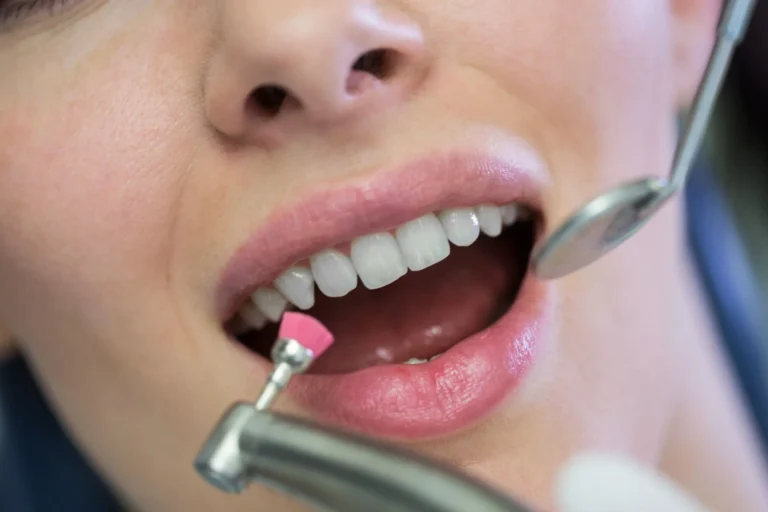
Composite bonding is a minimally invasive cosmetic dental treatment that uses a tooth-coloured resin material applied directly to the surface of the tooth. The material is carefully shaped and polished by the dentist to improve the appearance of teeth affected by small imperfections.
Patients may consider composite bonding to address concerns such as:
- Small chips or cracks in teeth
- Minor gaps between teeth
- Slight changes in tooth shape
- Uneven edges
- Discolouration or areas where the tooth appearance could be improved
One of the main advantages of composite bonding is that it usually requires minimal alteration to the natural tooth structure. The dentist applies the composite material directly to the tooth, shapes it carefully, and hardens it using a special light. The result is a restoration that blends naturally with the surrounding teeth.
However, composite bonding is not suitable for every situation. The material has different physical properties compared with natural enamel or ceramic restorations, meaning that the best choice depends on the individual case. A professional evaluation is essential to understand whether bonding can achieve the desired aesthetic and functional result.
At Premier Smile Dental Excellence, composite bonding is planned with attention to tooth proportions, colour, and harmony with the rest of the smile. The goal is not simply to change a tooth, but to create a balanced and natural appearance.
What are dental veneers and how do they improve the smile?
Dental veneers are thin shells designed to cover the front surface of teeth, improving their appearance while maintaining a natural-looking result. They are carefully designed to match the patient’s facial features, smile line, and existing teeth.
Veneers may be considered when patients want to improve several aesthetic aspects at the same time, including:
- Tooth shape and proportions
- Persistent discolouration
- Worn or damaged tooth surfaces
- Irregular appearance of multiple teeth
- Mild aesthetic alignment concerns
Unlike composite bonding, veneers are created separately before being bonded to the tooth surface. This allows the dentist and laboratory team to carefully control characteristics such as colour, translucency, and shape.
When comparing Composite Bonding vs Veneers, one of the key differences is the material used. Composite bonding relies on a resin material applied directly by the dentist, while veneers are usually created from stronger materials designed to mimic the optical properties of natural enamel.
The suitability of veneers depends on the health of the teeth and gums. Before considering this treatment, the dentist must assess factors such as enamel condition, bite forces, and overall oral health. Healthy foundations are essential for achieving predictable and long-lasting results.
At Premier Smile Dental Excellence, veneer treatment begins with careful planning and discussion. Understanding the patient’s expectations allows the dental team to design a solution that enhances the smile while maintaining function and comfort.
Composite Bonding vs Veneers: what are the main differences?
Understanding the differences between these two treatments helps patients make informed decisions. Although both composite bonding and veneers can improve smile aesthetics, they involve different techniques, materials, and considerations.
When comparing Composite Bonding vs Veneers, the main differences include:
Treatment approach:
Composite bonding involves adding composite material directly to the tooth during the dental appointment. Veneers require detailed planning and the creation of customised shells that are later bonded to the teeth.
Material characteristics:
Composite resin can be shaped directly by the dentist, while veneers are manufactured from materials designed to provide specific aesthetic and structural properties.
Treatment planning:
Composite bonding is often suitable for smaller cosmetic improvements, while veneers may be considered when patients want to transform the appearance of multiple teeth.
Maintenance requirements:
Both treatments require good oral hygiene and regular dental care. However, they may have different maintenance needs depending on the patient’s bite, habits, and lifestyle.
There is no universal answer regarding which treatment is better. The most appropriate option depends on the individual patient, their dental condition, and their expectations.
A consultation with a dentist allows all these factors to be evaluated properly, avoiding decisions based only on online images or general information. Cosmetic dentistry should always be personalised because every smile has different characteristics.
Which treatment is more suitable for improving tooth shape?
One of the most common reasons patients explore cosmetic dentistry is the desire to improve tooth shape. Teeth that appear uneven, worn, too small, or slightly damaged can affect smile harmony.
Both composite bonding and veneers can modify tooth shape, but the ideal solution depends on the extent of the change required.
Composite bonding can be effective when small adjustments are needed. The dentist can add material to specific areas, refining the contours of teeth and improving symmetry. This makes it a useful option for subtle changes.
Veneers may be considered when more comprehensive changes are required. Because they are individually designed, they can alter multiple aspects of appearance, including:
- Tooth length
- Width proportions
- Surface characteristics
- Overall smile balance
When deciding between these options, the dentist considers how much change is needed and whether the natural tooth structure can support the chosen treatment.
At Premier Smile Dental Excellence, cosmetic dentistry focuses on achieving results that look natural rather than artificial. The objective is to enhance the smile while respecting facial proportions and maintaining healthy teeth.
Can composite bonding or veneers damage natural teeth?
A common concern among patients researching cosmetic dentistry is whether treatments can damage natural teeth. The answer depends largely on proper diagnosis, planning, and professional execution.
Composite bonding is considered a conservative treatment because it generally requires minimal modification of the tooth surface. The dentist adds material rather than significantly changing the natural structure.
Veneers require more detailed preparation, depending on the individual case. The dentist carefully evaluates the amount of enamel available and plans treatment to preserve as much healthy tooth structure as possible.
Neither treatment should be approached as a purely cosmetic decision without considering oral health. Before starting any aesthetic procedure, the dentist should evaluate:
- Gum health
- Tooth strength
- Existing restorations
- Bite function
- Oral hygiene
Patients should avoid choosing treatments based only on trends or social media examples. A smile that looks suitable for one person may not be appropriate for another.
At Premier Smile Dental Excellence, every cosmetic treatment begins with an assessment to ensure that aesthetics and dental health are considered together.
How long do composite bonding and veneers last?
Longevity is an important factor when considering Composite Bonding vs Veneers. Both treatments can provide excellent aesthetic improvements, but their lifespan depends on several individual factors.
Composite bonding can remain effective for several years with proper care. However, because composite resin is softer than ceramic materials, it may be more affected by staining, wear, or damage over time.
Veneers are designed to provide long-term aesthetic stability when they are properly planned and maintained. Their durability depends on factors such as:
- Oral hygiene habits
- Bite forces
- Tooth grinding or clenching
- Regular dental reviews
- Lifestyle habits
Neither treatment eliminates the need for ongoing care. Patients should continue regular check-ups and maintain good oral hygiene to protect both treated and untreated teeth.
A dentist can provide guidance on how to maintain cosmetic restorations and identify any issues early. Long-term success is not only determined by the treatment itself but also by how well it is cared for afterward.
Why professional assessment is essential before choosing between bonding and veneers
Choosing between composite bonding and veneers requires more than comparing photographs or reading general information online. Every patient has unique dental characteristics, meaning the same treatment may not produce the same result for everyone.
A professional assessment allows the dentist to evaluate:
- Tooth structure
- Gum condition
- Bite relationship
- Smile proportions
- Patient expectations
This information helps determine which approach can provide the most suitable balance between aesthetics, function, and long-term oral health.
Attempting cosmetic dental changes without professional guidance can lead to unsuitable outcomes. Teeth are part of a complex system involving muscles, joints, gums, and surrounding structures. Changing their appearance without considering function may create future problems.
At Premier Smile Dental Excellence, cosmetic dentistry combines careful planning with patient communication. Understanding what the patient wants to achieve is just as important as understanding the clinical factors involved.
How to choose between Composite Bonding vs Veneers?
The decision between composite bonding and veneers should always be based on individual needs rather than a general preference. Both treatments have their own advantages and can improve the appearance of a smile when correctly planned.
Composite Bonding vs Veneers is not about finding one universal solution, but understanding which option aligns best with your dental condition and goals.
Composite bonding may be appropriate when:
- Small cosmetic improvements are needed
- Minimal intervention is preferred
- Minor changes to shape or appearance are required
Veneers may be considered when:
- More extensive aesthetic changes are desired
- Multiple teeth require improvement
- Greater control over shape and colour is needed
The first step is always a professional consultation. During this appointment, the dentist can assess your smile, explain suitable options, and help you understand what approach may be most appropriate.
At Premier Smile Dental Excellence, every smile is treated individually, with careful attention to natural aesthetics, function, and long-term oral health.
Conclusion: Composite Bonding vs Veneers – finding the right solution for your smile
Understanding the differences between Composite Bonding vs Veneers is an important first step when considering cosmetic dental treatment. Both options can improve the appearance of teeth, but the best choice depends on your individual situation, expectations, and oral health.
Composite bonding can provide a conservative approach for smaller aesthetic changes, while veneers may offer a more comprehensive solution for certain smile concerns. A detailed dental assessment is essential to determine which option is most suitable.
At Premier Smile Dental Excellence, every treatment plan is created around the patient, combining careful diagnosis, communication, and attention to natural-looking results. If you would like to explore your cosmetic dentistry options and understand which solution may be right for your smile, contact the practice to arrange a personalised consultation.
📍 Visit us at: 34, Hockliffe Street, Leighton Buzzard, Bedfordshire, LU7 1HJ
📞 Phone: 01525 372 089
📩 Email: enquiries@premiersmile.co.uk
🌐 Contact: Click here!