What is flossing and why is it important?
When patients learn how to floss, they often discover that flossing is much more than a complementary step to brushing — it’s an essential part of maintaining a healthy mouth and preventing serious dental issues.
Flossing involves using a thin piece of dental floss — typically a waxed or unwaxed filament — to remove food debris, plaque, and bacteria from between the teeth and along the gumline where a toothbrush simply cannot reach.
Why is flossing crucial for oral and general health?
- Prevents plaque buildup:
Every day, a sticky film of bacteria called plaque forms on your teeth. While brushing removes plaque from exposed surfaces, it cannot effectively clean the tight spaces between teeth.
Flossing daily removes plaque from these hidden areas before it hardens into tartar (calculus), a substance that can only be removed by professional dental cleaning.
Consistent flossing is the best defense against tartar formation, which is a major contributor to both cavities and gum disease. - Reduces the risk of gum disease:
Gum disease (gingivitis and periodontitis) often starts silently between the teeth. When plaque is left untouched, it irritates and inflames the gum tissue.
Flossing breaks the bacterial chain that causes this inflammation, helping to keep the gums pink, firm, and healthy.
Without proper flossing, even patients who brush twice daily can develop gum infections. - Prevents cavities:
Interdental spaces — the tiny gaps between teeth — are prime sites for the development of cavities.
Food particles trapped between teeth feed bacteria, which produce acids that erode tooth enamel, eventually causing decay.
By learning how to floss effectively, you interrupt this cycle, drastically reducing your risk of cavities in these vulnerable areas. - Promotes fresher breath:
Persistent bad breath (halitosis) is often the result of bacteria hiding between the teeth.
Regular flossing eliminates these bacterial colonies, freshening your breath naturally and effectively without the need for mouthwashes or sprays. - Protects overall health:
Scientific research continues to uncover strong connections between oral health and systemic diseases, including heart disease, diabetes, respiratory infections, and even adverse pregnancy outcomes.
Chronic inflammation in the gums can contribute to inflammation elsewhere in the body.
Maintaining healthy gums through proper flossing helps lower systemic inflammation, supporting better overall health.
Additional benefits of regular flossing:
- Preserving the natural alignment of teeth:
Keeping the spaces between teeth clean reduces the risk of periodontal pocket formation and tooth shifting over time. - Enhancing the effectiveness of dental cleanings:
Patients who floss regularly typically have shorter, easier professional cleanings because there is less plaque and tartar accumulation. - Protecting dental investments:
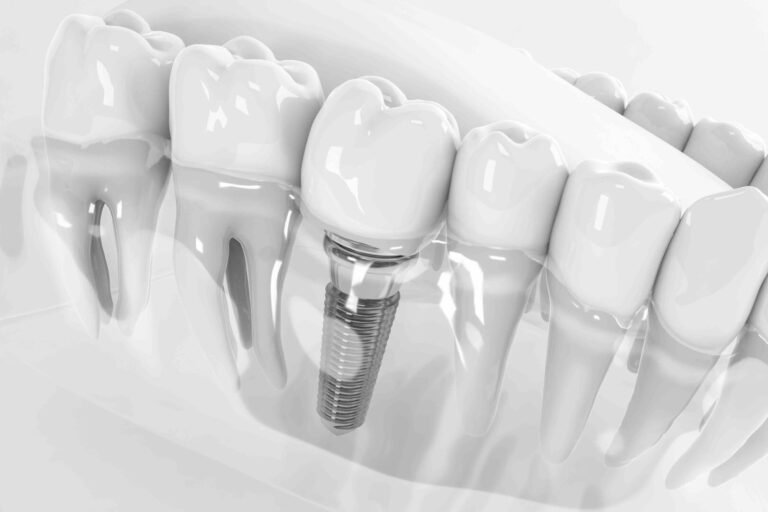
If you have dental restorations like crowns, bridges, or implants, daily flossing protects these valuable treatments from gum disease and bone loss.
In short:
Flossing is not just an optional extra — it is a cornerstone of complete oral hygiene.
Brushing alone cleans about 60% of your tooth surfaces. Flossing reaches the remaining 40%, ensuring total protection against plaque, decay, and disease.
➔ Learn why proper flossing is essential for a healthy, confident smile at Premier Smile Dental Excellence — and let us help you perfect your daily routine.
How to floss correctly: step-by-step
Learning how to floss properly is just as important as remembering to floss every day.
Using the wrong technique can not only make flossing ineffective but also cause damage to your gums or miss critical areas where plaque builds up.
Mastering the correct method ensures that you clean thoroughly without harming delicate tissues.
Here’s the complete, step-by-step guide to flossing correctly:
- Use enough floss:
Start by tearing off about 45 cm (18 inches) of dental floss.
This gives you enough length to work with a fresh section for each tooth, avoiding the spread of bacteria from one area to another. - Hold the floss properly:
Wind most of the floss around the middle finger of one hand, and a smaller amount around the middle finger of your opposite hand.
Use your thumbs and forefingers to pinch and control the floss, leaving about 2-3 cm of taut floss to work with. - Gently insert the floss:
Guide the floss carefully between two teeth using a gentle sawing or back-and-forth motion.
Avoid snapping the floss directly into the gums — this can cause injury and irritation. - Form a C-shape around the tooth:
Once the floss is between the teeth, curve it into a C-shape against one tooth surface.
Slide it gently up and down, moving from just below the gumline to the top of the tooth.
This ensures you are removing plaque both above and slightly below the gumline, where bacteria like to hide. - Clean both sides of every gap:
After cleaning one side of the gap, shift the floss to curve around the adjacent tooth and repeat the cleaning motion.
Many people mistakenly clean only one surface and miss the neighbor! - Use a clean section of floss:
After completing one tooth, unwind a new, clean section of floss from your finger and wind the used part onto the other finger.
This prevents redepositing bacteria from one tooth to the next. - Don’t forget the back teeth:
It’s easy to miss the far side of the last molars, but these areas are just as vulnerable to decay and gum disease.
Take extra care to reach and clean the backs of your rearmost teeth. - Move gently and patiently:
Flossing is not a race.
Move slowly and gently to avoid damaging the gums and ensure a thorough clean.
A good flossing session should take about 2–3 minutes.
Bonus Tips for mastering how to floss:
- Floss before brushing: Some studies suggest that flossing first may remove plaque and debris, allowing fluoride from toothpaste to reach more surfaces.
- Floss at least once a day: Ideally before bedtime, so you remove the day’s buildup before you sleep.
- Use mirrors: Especially when learning, using a mirror can help you perfect your technique.
- Stay consistent: Daily flossing is far more beneficial than occasional “catch-up” sessions.
What if you have trouble flossing?
If traditional flossing is difficult due to braces, arthritis, or limited dexterity, consider:
- Floss threaders: For cleaning around braces and bridges.
- Interdental brushes: Small brushes that slide between teeth.
- Water flossers: Devices that spray a pressurized stream of water between teeth.
At Premier Smile Dental Excellence, we are always happy to demonstrate how to floss correctly in-person during your hygiene visits, ensuring you feel confident and skilled in protecting your smile.
➔ Perfect your flossing technique with expert guidance from Premier Smile Dental Excellence — small changes make a big difference for your oral health.
Can flossing prevent cavities and gum disease?
One of the most important reasons to learn how to floss correctly is to prevent two of the most common and damaging oral diseases: cavities and gum disease.
Flossing may seem like a small action, but its protective power is enormous when performed consistently and properly.
How does flossing help prevent cavities?
- Plaque removal from interdental areas:
Cavities often develop between teeth, where toothbrushes simply can’t reach effectively.
By flossing, you remove the sticky film of plaque from these hidden surfaces before it has the chance to turn into destructive acids that erode enamel. - Interrupting bacterial activity:
Bacteria in dental plaque feed on food particles, especially sugars, producing acid as a byproduct.
Regular flossing removes the bacteria’s food supply, disrupting the decay process. - Preventing early-stage lesions:
When plaque is allowed to accumulate between teeth, it can cause initial enamel demineralization, forming white spots.
Proper flossing stops early lesions from progressing into full-blown cavities, avoiding the need for fillings or more invasive treatments.
How does flossing help prevent gum disease?
- Removing plaque at the gumline:
Gum disease begins when plaque builds up where the teeth meet the gums.
Daily flossing cleans these critical zones, preventing gingivitis — the earliest, reversible stage of gum disease. - Protecting against periodontitis:
If gingivitis is not treated, it can progress to periodontitis, a serious condition where gums pull away from the teeth and bone loss occurs.
Proper daily flossing is a frontline defense against this progression, helping to preserve the bone and soft tissue that support your teeth. - Reducing inflammation:
Studies have shown that patients who floss daily exhibit lower levels of gum inflammation and bleeding, compared to those who brush alone.
Scientific evidence supporting flossing:
Numerous studies demonstrate that individuals who floss regularly:
- Have significantly fewer cavities than those who don’t
- Experience reduced gingival bleeding and inflammation
- Enjoy better long-term oral health outcomes
In short:
Flossing is not an optional luxury — it is an essential daily practice for anyone serious about preventing cavities and gum disease.
Knowing how to floss properly is like equipping yourself with one of the most powerful tools for lifelong dental health.
Bonus benefit:
Preventing cavities and gum disease through flossing also helps you avoid more costly and invasive treatments later, such as root canals, periodontal surgeries, implants, or dentures.
➔ Protect your smile from decay and disease — discover how daily flossing can transform your oral health with Premier Smile Dental Excellence.
Why do my gums bleed when I floss, and should I stop?
One of the most common concerns patients have when learning how to floss is noticing that their gums bleed, especially during the first few days of establishing a flossing routine.
At first, bleeding can be alarming — but it’s crucial to understand that in most cases, bleeding is not a reason to stop flossing.
In fact, it’s often a clear sign that your gums need more attention, not less.
Why do gums bleed during flossing?
- Gum inflammation (gingivitis):
The most frequent cause of bleeding is plaque accumulation at the gumline, which causes the tissues to become swollen, inflamed, and fragile.
When you floss, you disturb this plaque and stimulate the sensitive tissues, resulting in bleeding. - Infrequent or irregular flossing habits:
If flossing is only done occasionally, the gums remain inflamed and are easily irritated.
Consistency is key: daily flossing reduces inflammation and strengthens the gum tissues over time. - Improper flossing technique:
Snapping the floss aggressively between teeth or pushing it forcefully into the gums can cause trauma, leading to unnecessary bleeding.
Gentle, controlled movements are essential when learning how to floss correctly. - Other underlying conditions:
Certain systemic conditions (like diabetes), vitamin deficiencies, or medications (such as blood thinners) can make gums more prone to bleeding.
If bleeding persists despite proper technique and regular care, it’s important to seek professional evaluation.
Should you stop flossing if your gums bleed?
Absolutely not.
Stopping flossing would allow plaque to continue building up, worsening the inflammation and leading to more serious gum disease.
What you should do instead:
- Continue flossing daily:
Within 7 to 14 days of consistent, gentle flossing, most bleeding will significantly decrease or stop altogether as your gums heal and strengthen. - Use correct technique:
Focus on forming the C-shape around each tooth and using slow, smooth movements rather than forceful snapping motions. - Be patient and persistent:
Healing inflamed gums takes time, just like recovering from any form of inflammation elsewhere in the body. - Monitor your progress:
If bleeding worsens or doesn’t improve after two weeks of careful flossing, it’s advisable to schedule a dental check-up.
When should you consult your dentist about bleeding gums?
- If bleeding persists beyond two weeks of correct flossing
- If the bleeding is heavy and accompanied by pain or swelling
- If you notice other symptoms like gum recession, bad breath, or loose teeth
At Premier Smile Dental Excellence, we provide tailored advice on how to floss properly and can guide you in healing and protecting your gums with gentle, effective strategies.
In summary:
Bleeding gums are a warning sign — not a reason to stop.
By flossing correctly and consistently, you can reverse early gum inflammation and restore your oral health, preventing future, more serious problems.
➔ Learn the right way to care for your gums and perfect your flossing technique with the compassionate experts at Premier Smile Dental Excellence.
What types of dental floss are available and which one should I use?
When patients ask how to floss, one of the most common follow-up questions is:
“Which type of dental floss should I use?”
Choosing the right floss can greatly improve your comfort and effectiveness, making it easier to maintain a daily habit and achieve a truly clean smile.
Here’s an overview of the main types of dental floss available:
- Waxed floss:
This floss is coated with a thin layer of wax, making it easier to slide between tight teeth without shredding.
It’s a great choice for beginners learning how to floss, as it tends to be more resistant and forgiving. - Unwaxed floss:
Thinner and sometimes more effective at cleaning tight spaces, unwaxed floss provides a slight squeaking sound, indicating that plaque is being removed.
However, it can fray more easily, which may discourage some users. - Dental tape:
Dental tape is broader and flatter than traditional floss.
It’s ideal for people with wider gaps between their teeth or those with gum recession.
Its smooth texture can make flossing more comfortable for sensitive gums. - Super floss:
Specially designed for cleaning around braces, bridges, and implants, super floss has three components:- A stiffened-end threader
- A spongy segment
- A regular floss section
It provides extra cleaning power where standard floss might struggle.
- PTFE floss (Polytetrafluoroethylene):
Made from a material similar to Gore-Tex, PTFE floss is exceptionally smooth, resistant to shredding, and glides effortlessly between teeth.
It’s often recommended for patients with very tight contacts or dental appliances. - Floss picks:
Small plastic holders with a piece of floss stretched across them, floss picks offer convenience and portability.
While they are handy, especially on-the-go, they may not wrap around each tooth as effectively as traditional floss.
How to choose the right floss for you:
- Tight teeth contacts:
Opt for waxed floss or PTFE floss that can glide easily without breaking. - Wider spaces or bridges:
Dental tape or super floss works better for cleaning larger gaps and under prosthetics. - Braces, implants, or orthodontic appliances:
Super floss or floss threaders are ideal to navigate around brackets and wires. - Convenience focus:
If you find yourself skipping flossing due to time constraints, floss picks can be a helpful backup — but aim to use traditional floss whenever possible for deeper cleaning.
Additional factors to consider:
- Taste and texture: Some flosses are flavored with mint or other agents, making the experience more pleasant and encouraging regular use.
- Thickness: If you have crowded teeth, thinner floss varieties will make the process more comfortable.
- Eco-friendliness: There are now biodegradable floss options available for environmentally conscious patients.
What matters most:
Whatever type of floss you choose, the most important thing is that you use it correctly and consistently.
Learning how to floss properly with the right material for your needs makes the habit easier to maintain and more effective at protecting your oral health.
At Premier Smile Dental Excellence, we help every patient find their ideal flossing solution — personalized to their teeth, gums, and lifestyle.
During your hygiene appointments, we can also demonstrate different types of floss and techniques to ensure you feel confident at home.
➔ Discover the best flossing tools for your unique smile — ask the team at Premier Smile Dental Excellence for expert advice tailored to you.
Conclusion on how to floss
Mastering how to floss correctly is one of the most impactful yet simple investments you can make in your long-term oral health.
Flossing is not just an optional extra — it is an essential pillar of preventive dentistry, standing side by side with proper brushing and professional cleanings.
Throughout this guide, we’ve seen that daily flossing:
- Removes plaque and food particles from areas a toothbrush cannot reach
- Prevents cavities and gum disease before they can develop into serious problems
- Supports fresher breath and a more confident smile
- Protects general health by reducing oral inflammation that can impact the rest of the body
However, the real key is knowing how to floss properly.
Effective flossing isn’t about moving quickly through your teeth — it’s about using the right technique, choosing the right type of floss for your needs, and practicing consistently until it becomes a natural part of your daily routine.
A few final tips to perfect your flossing habit:
- Floss once a day, every day: Preferably at night, so that plaque and debris don’t sit on your teeth while you sleep.
- Be patient and gentle: Avoid rushing or snapping the floss — treat your gums with care.
- Stick with it: Even if your gums bleed a little at first, persistence leads to healing and stronger, healthier gums.
- Ask for help if needed: Your dentist or hygienist can demonstrate personalized flossing techniques suited to your mouth.
Remember:
Flossing only takes a few minutes a day, but the benefits last a lifetime.
By taking this small, daily action, you are actively protecting yourself against painful, expensive dental issues down the road — and securing a brighter, healthier future for your smile.
At Premier Smile Dental Excellence, we are passionate about empowering our patients with the knowledge, tools, and support they need to maintain excellent oral health.
Whether you need help refining your flossing technique, choosing the best floss, or addressing gum concerns, our team is here to guide you every step of the way.
📍 Visit us at: 34, Hockliffe Street, Leighton Buzzard, Bedfordshire, LU7 1HJ
📞 Phone: 01525 372 089
📩 Email: enquiries@premiersmile.co.uk
🌐 Contact: Click here!